How TotalEnergies restarted production at the Mabruk Field in Libya
TotalEnergies has successfully restarted oil production at the Mabruk oil field in Libya after more than a decade of shutdown. The restart marks an important development for both the company and Libya’s oil industry, which has been working to recover and expand production in recent years.
The Mabruk field, where TotalEnergies holds a 37.5% stake, had remained inactive since 2015 due to security challenges and operational disruptions that affected several energy projects across Libya. By launching a redevelopment program and building new infrastructure, the company and its partners were able to bring the field back into production in early 2026.
Rebuilding Infrastructure to Restart Production
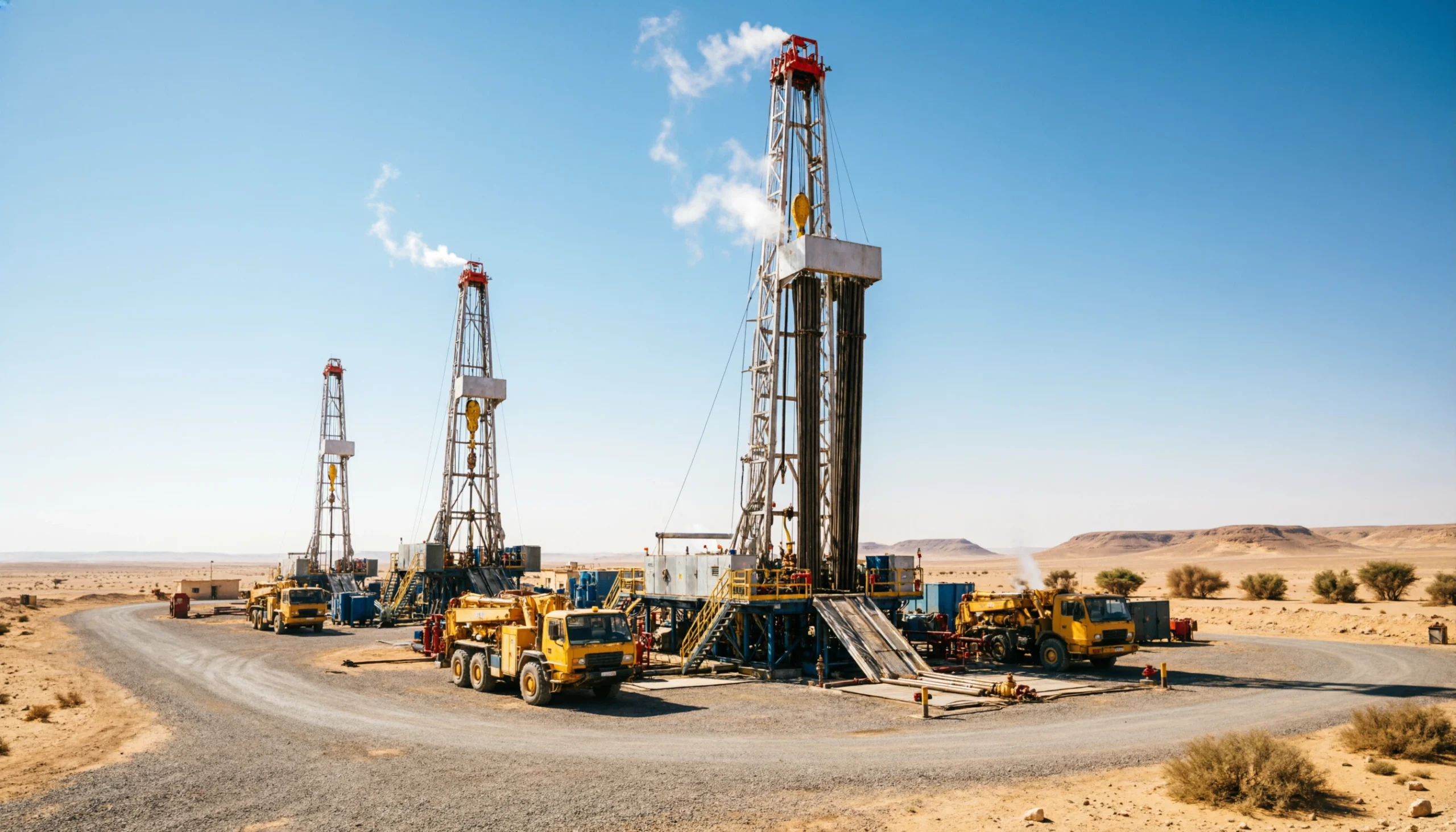
One of the key steps in restarting production at the Mabruk field was the construction of a new production facility. Work on the project began in May 2024 and focused on modernizing the field’s infrastructure and improving operational efficiency.
The newly built production unit has the capacity to produce up to 25,000 barrels of oil per day. This modern facility replaces older infrastructure and incorporates updated technology designed to improve reliability and reduce operational costs.
The project was completed in less than two years, and production officially resumed on February 28, 2026. The restart demonstrates how targeted investment and infrastructure upgrades can quickly restore production at previously inactive oil fields.
Strategic Importance for TotalEnergies
For TotalEnergies, the restart of the Mabruk field is part of a broader strategy to maintain steady production growth while focusing on efficient and lower-emissions operations.
According to Julien Pouget, Director for the Middle East and North Africa in the company’s Exploration & Production division, the restart also coincides with a major milestone—70 years of TotalEnergies operations in Libya.
The Mabruk redevelopment aligns with the company’s goal of increasing global production by around 3% annually through 2030. By prioritizing projects that combine relatively low costs with improved infrastructure, TotalEnergies aims to strengthen its upstream portfolio while managing environmental impact.
Supporting Libya’s Oil Sector Recovery
The revival of the Mabruk field is also significant for Libya’s energy sector. Oil remains one of the most important sources of revenue for the country, and restoring inactive fields plays a key role in increasing national production capacity.
With the field expected to produce up to 25,000 barrels per day, the project will contribute to Libya’s overall oil output and export volumes. Increased production can help strengthen government revenues and support economic recovery.
TotalEnergies’ Long Presence in Libya
TotalEnergies has been active in Libya since 1956 and remains one of the long-standing international partners in the country’s oil industry.
In 2025, the company produced approximately 113,000 barrels of oil equivalent per day in Libya. This production comes from several key assets, including the offshore Al Jurf oil field and the onshore El Sharara oil field, along with participation in the Waha concessions.
The Waha concessions are jointly owned by National Oil Corporation, TotalEnergies, and ConocoPhillips, and are operated by Waha Oil Company.
A Step Forward in the Global Energy Strategy
The restart of production at the Mabruk field highlights how TotalEnergies continues to balance oil and gas development with its broader global energy strategy.
The company is focusing on projects that offer competitive production costs, modern infrastructure, and lower operational emissions. The redevelopment of the Mabruk field fits these priorities and demonstrates how existing assets can be upgraded to meet current operational and environmental standards.
As production ramps up, the project is expected to strengthen TotalEnergies’ position in Libya while contributing to the country’s growing oil production capacity.
The successful restart of the Mabruk field demonstrates how strategic investment, improved security conditions, and modern infrastructure can revive previously inactive energy assets. As Libya continues to stabilize its oil sector, projects like Mabruk highlight the potential for increased production, stronger international partnerships, and long-term growth in the country’s energy industry
Source Link: https://www.businesswire.com/